Same with number spoofing. They own the network they can ensure the numbers are verified. Yes, there might be instance where another network connects that doesn’t do verification, but all is needed is a way to signal the customer whether the number was verified or not.
Just preventing spoofing would be huge contribution as it would allow customers to have reliable blacklists.
There’s legitimate uses of spoofing. If I need to make a work call from my cell phone, I don’t want to share my number, so I use an app to send the call from my office number. If you work in a call center, you need the CID to point to a main line, not your desk phone. If you’re working from home, you want to send the company’s number - not yours. You don’t necessarily want phone companies able to determine who can and cannot use CID spoofing, because they won’t use it for good.
In fact - they’ve used it for evil in the past and are now actually prohibited from blocking spoofed CIDs. The Madison River Telephone company blocked Vonage back in the early aughts in what turned into one of the first big Net Neutrality cases when the FCC stepped in.
Essentially, they had been using the spoofed CID that’s essenially a necessity of VOIP systems as an excuse to ban VOIP users from calling their customers. So the FCC ended up prohibiting telephone providers from from that practice.


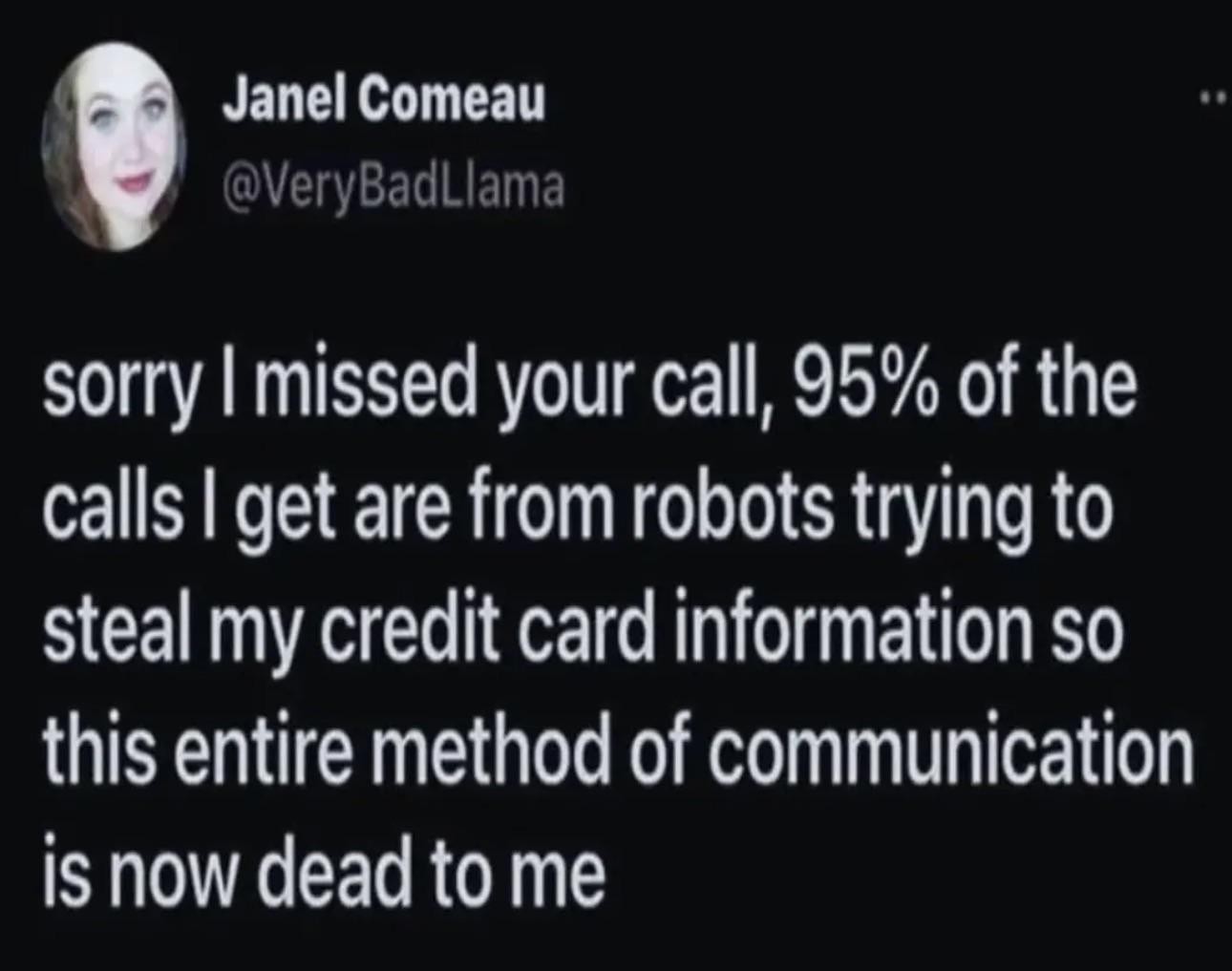
Same with number spoofing. They own the network they can ensure the numbers are verified. Yes, there might be instance where another network connects that doesn’t do verification, but all is needed is a way to signal the customer whether the number was verified or not.
Just preventing spoofing would be huge contribution as it would allow customers to have reliable blacklists.
There’s legitimate uses of spoofing. If I need to make a work call from my cell phone, I don’t want to share my number, so I use an app to send the call from my office number. If you work in a call center, you need the CID to point to a main line, not your desk phone. If you’re working from home, you want to send the company’s number - not yours. You don’t necessarily want phone companies able to determine who can and cannot use CID spoofing, because they won’t use it for good.
In fact - they’ve used it for evil in the past and are now actually prohibited from blocking spoofed CIDs. The Madison River Telephone company blocked Vonage back in the early aughts in what turned into one of the first big Net Neutrality cases when the FCC stepped in.
Essentially, they had been using the spoofed CID that’s essenially a necessity of VOIP systems as an excuse to ban VOIP users from calling their customers. So the FCC ended up prohibiting telephone providers from from that practice.