

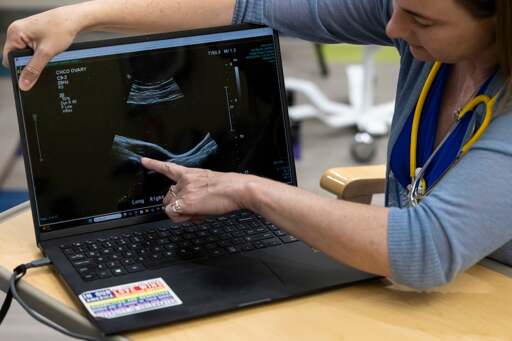
Polycystic ovary syndrome (PCOS) has confounded doctors from the moment they gave the condition its name.
In people with ovaries, PCOS has historically been defined by abnormally high levels of androgens—hormones that typically regulate male sexual development—that lead to irregular menstrual periods, abnormal ovulation and often infertility, as well as other symptoms such as acne or excess facial or body hair. But over the past several decades, a better understanding of PCOS’s root causes has led to a strange connection. Many men who are related to people with PCOS seem to share many of the same symptoms that stem from what researchers think causes PCOS: a genetic susceptibility that leads to metabolic dysfunction, which in turn causes insulin resistance that disrupts hormone signaling.
It Was Never about the Cysts
Back in the 1930s, physicians Irving Stein and Michael Leventhal identified a cluster of symptoms in some women that included enlarged ovaries, irregular or absent periods and infertility. To treat the condition then, doctors would cut out, or resect, a wedge-shaped portion of the ovary. For reasons that are still not fully understood, the treatment sometimes worked; many people started ovulating again.